Neuro-Symbolic AI and the Geospatial Workload
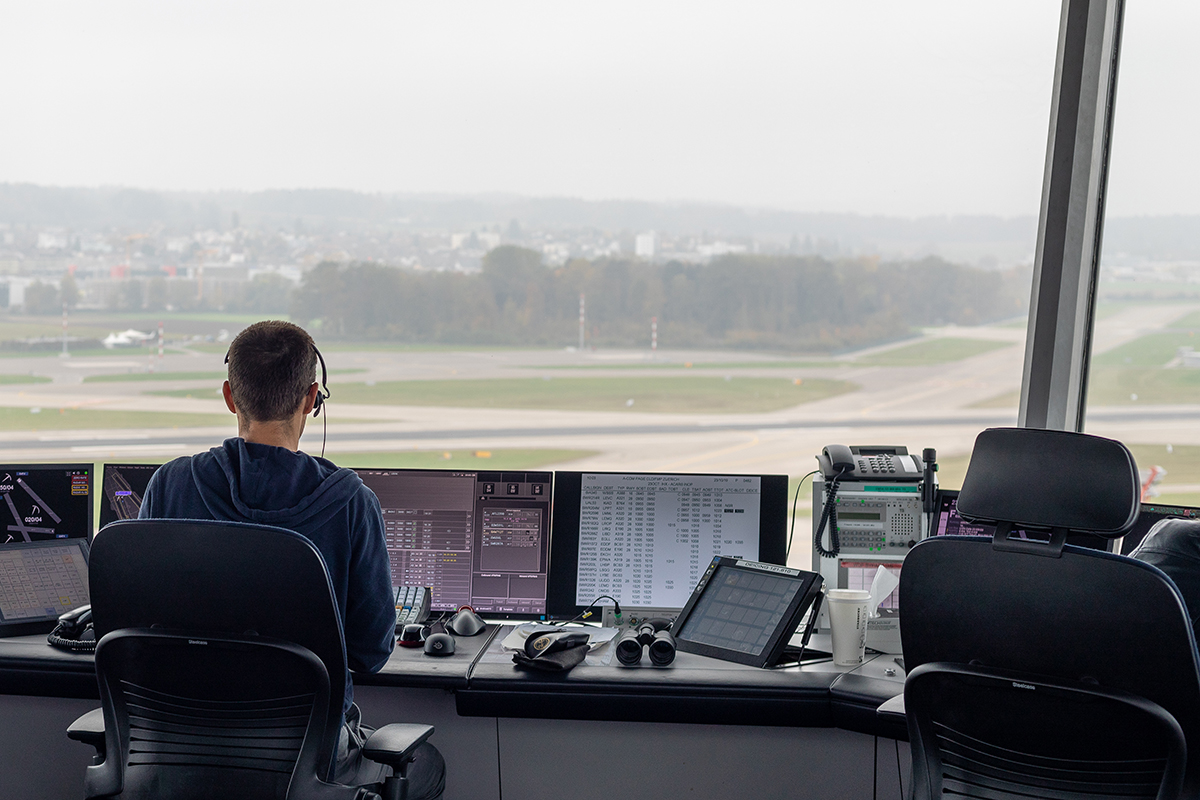
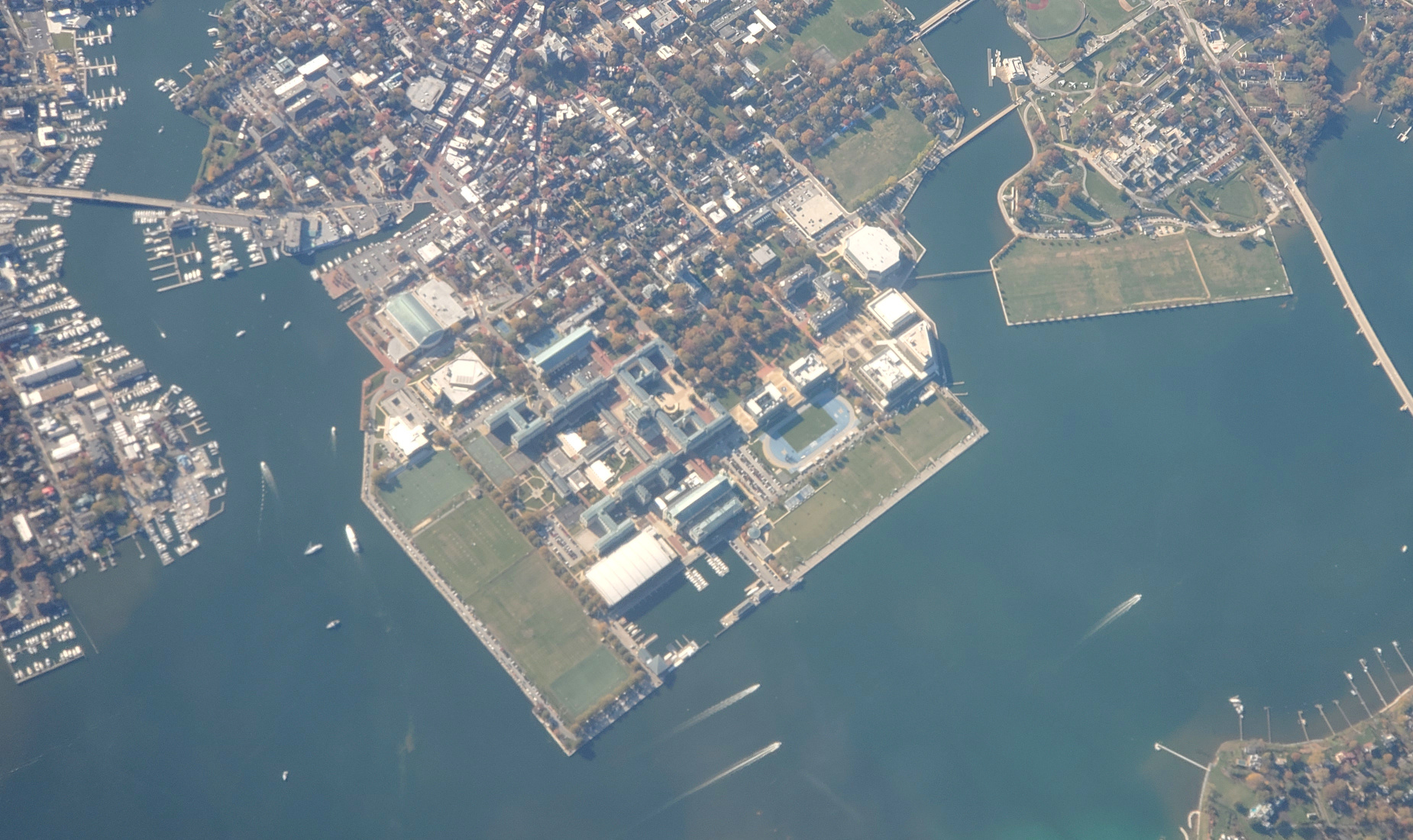
Where It Diverges From, and Could Complement, Embedding Fields and Agentic Orchestration Geospatial analysis has long relied on symbolic representations and formal operations. A geographic information system stores typed geometries, associates them with coordinate reference systems, computes topological predicates, and executes workflows with defined inputs and outputs. The GIS analyst's expertise consists, in part, of … Continue reading Neuro-Symbolic AI and the Geospatial Workload →
External Innovation and the Diffusion of Geospatial Capability Across Technology Verticals, 2011–2026

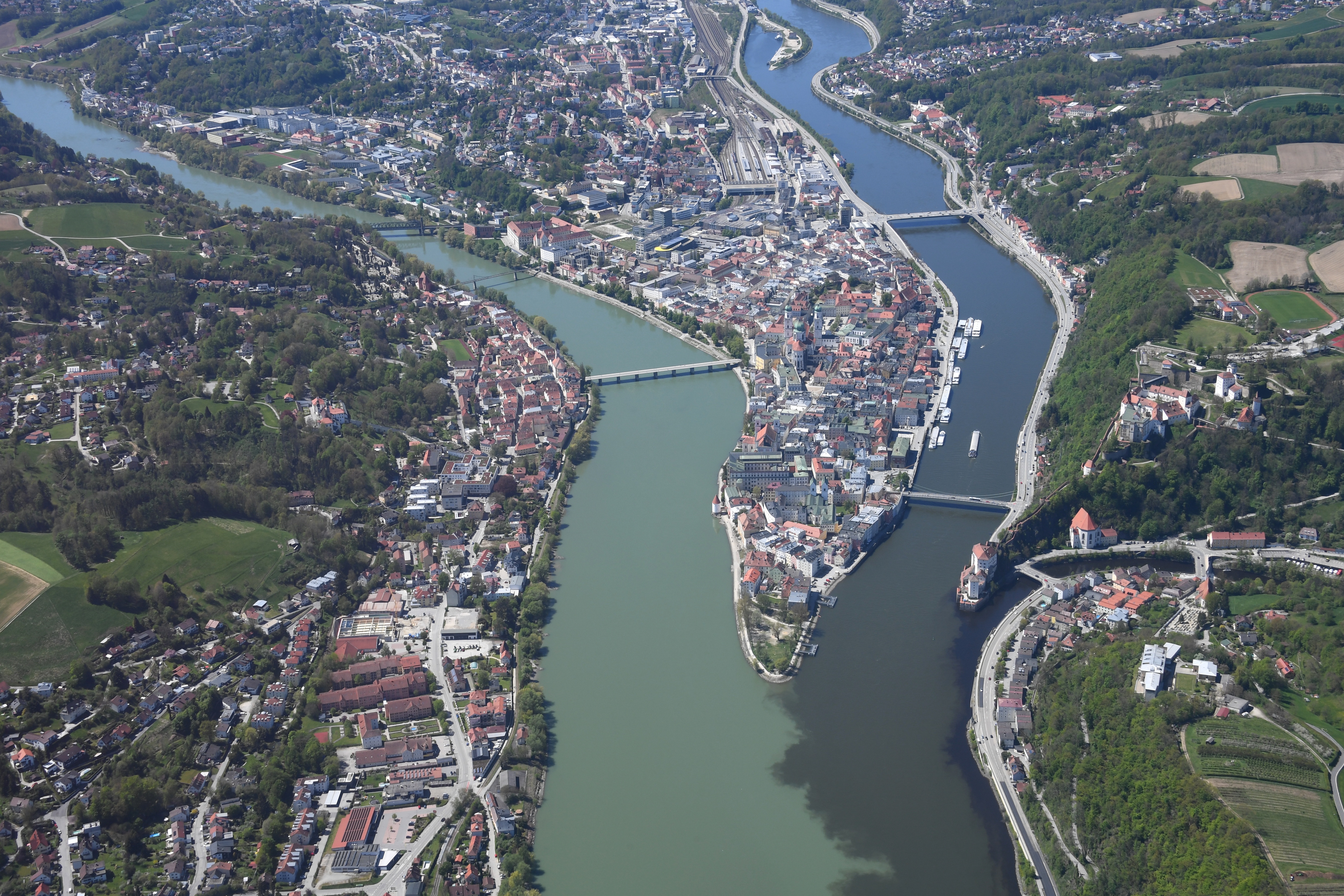
Abstract From 2011 to 2026, organizations outside the traditional geospatial industry became major developers of geographic data and technology. Ride-hailing firms built spatial indexes to price and dispatch trips. Social networks and cloud providers generated building and road data with machine learning and released it openly. Automakers bought a map company to keep it out … Continue reading External Innovation and the Diffusion of Geospatial Capability Across Technology Verticals, 2011–2026 →

Vibe Coding, AI Disruption, and the Restructuring of the SaaS Market

In early February 2026, a sharp software-sector selloff, widely described in market commentary as the "SaaSpocalypse," erased hundreds of billions of dollars in SaaS and software-services market value. Anthropic's release of Claude Cowork plugins gave investors a concrete example around which to reprice a concern that had been building for more than a year: AI-assisted … Continue reading Vibe Coding, AI Disruption, and the Restructuring of the SaaS Market →

AI Data Centers and the Risk of Stranded Infrastructure

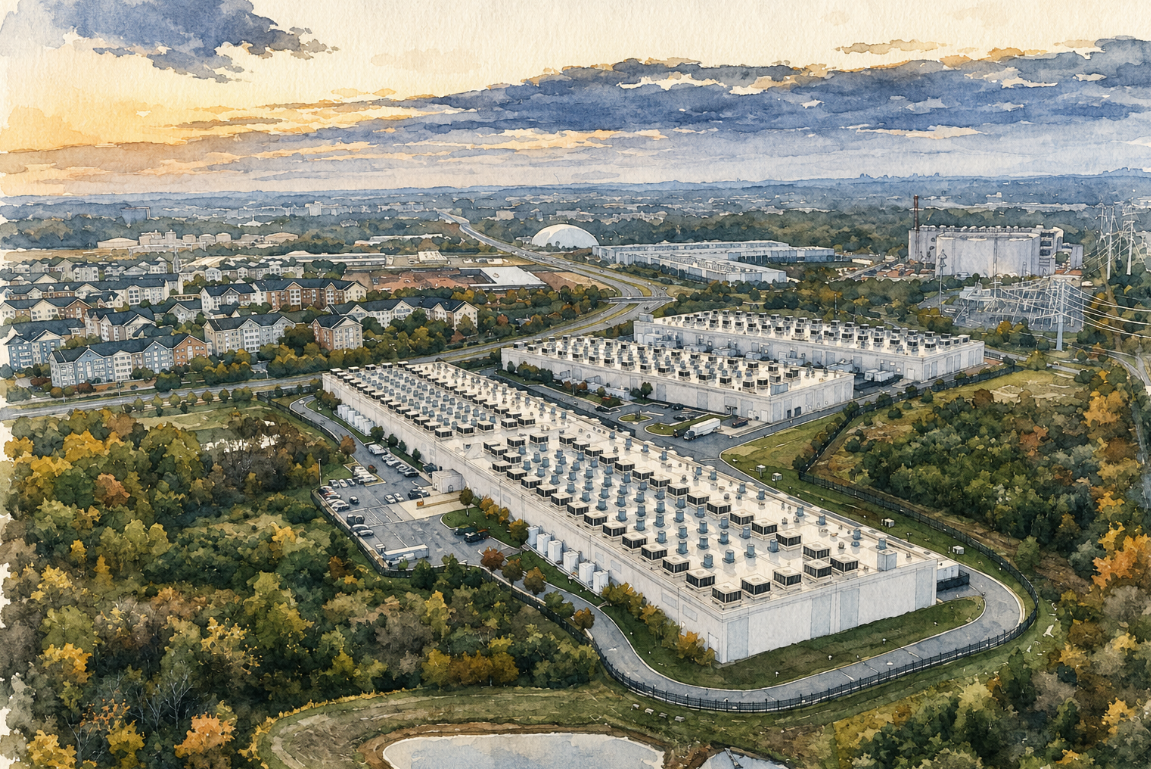
Introduction The current data center boom appears to be an early-stage, brute-force response to the first wave of artificial intelligence demand. The market has encountered a rapid increase in demand for training, inference, and AI-enabled cloud services, and the immediate response has understandably been physical scale in the form of larger campuses, more megawatts, denser … Continue reading AI Data Centers and the Risk of Stranded Infrastructure →